
Four Principles for Productive Pastures

Four Principles for Productive Pastures
Rain may grow the grass, but good management keeps it growing. Every grazing decision, from when cattle enter a pasture to how long they stay, plays a role in the overall health and productivity of grasslands. Ranchers can use the four main grazing management principles to better understand how pastures can respond to grazing and increase both the resiliency and productivity of their rangelands.
1. Balance forage supply and livestock demand.
The amount of forage a pasture can produce while remaining healthy is known as the carrying capacity. If the livestock demand exceeds the forage supply, the health of the plant community will decline and potentially reduce productivity in the future. Before turnout occurs, ask yourself a simple question: Do I have enough forage for the number of cattle I’m grazing and for the length of time I want them there?
Your livestock aren’t the only occupants of a pasture. Wildlife and insects also rely on rangelands, meaning some forage will always be trampled or consumed by more than just your grazing herd. For native grassland utilization, the general guidelines suggest to only use 25 to 50 percent of the available forage and on tame pastures, 50 to 75 percent utilization is typically appropriate. Leaving forage behind isn’t wasted grass, it’s your insurance policy. That residual forage protects plant health, supports wildlife, reduces erosion, and helps ensure productive grazing next season.
Tools such as the Beef Cattle Research Council’s Carrying Capacity Calculator can provide a helpful starting point when planning stocking rates. Producers can also work with the Saskatchewan Stock Growers Foundation to assess the carrying capacity of their pastures and develop a grazing plan suited to their operation.
2. Distribute Grazing Pressure Across the Pasture
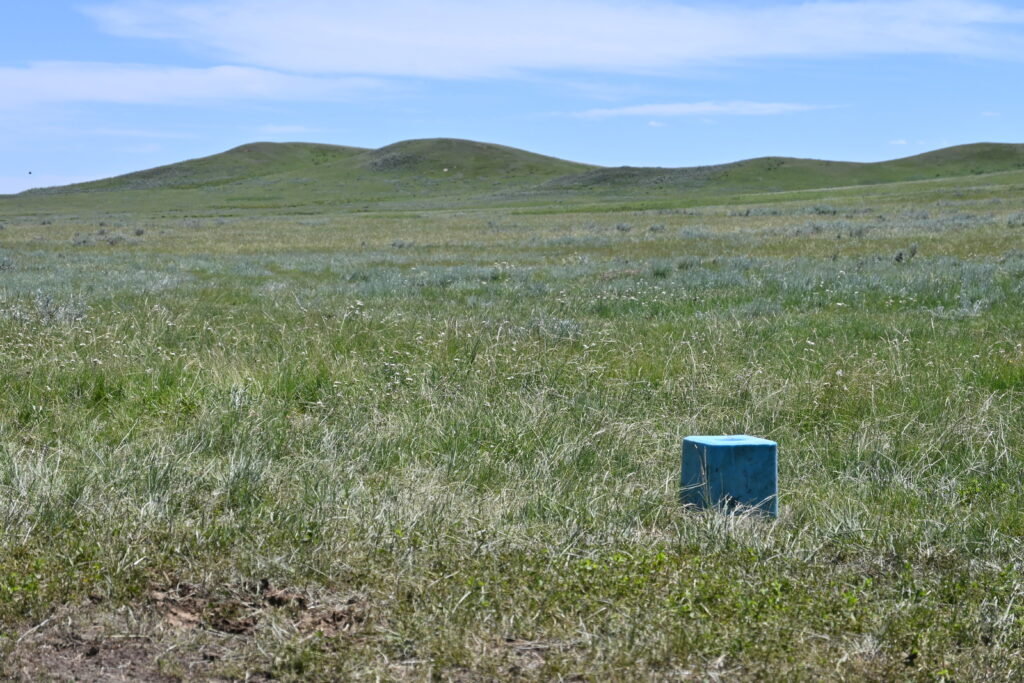 Grazing pressure isn’t always distributed evenly across a pasture. Left to their own devices, cattle naturally return to the most comfortable and productive areas, often avoiding rough terrain, hilltops, or corners furthest from water. This creates areas of very high use, where the plant communities can suffer from lack of rest and other areas under utilized, where biodiversity can decline with not enough disturbance.
Small management decisions can encourage cattle to spread out more across the landscape by using strategic placement of water, salt and mineral to influence grazing patterns. Types of cattle will also graze differently, cow-calf pairs tend to stay close to familiar grazing areas and near the main herd but yearlings, being typical teenagers, like to split into smaller groups and explore new areas. Ranchers can use this to their advantage and rotate which type of cattle graze certain pastures each year, increasing their overall utilization.
3. Allow Plants Time to Recover
After a grazing event, plants need time to rebuild their leaves, replenish energy reserves in their roots, and prepare for future growth. Without adequate recovery during the growing season, plant vigour declines and pasture productivity suffers. Remember, recovery must occur while plants are actively growing. Winter dormancy isn’t the same as growing-season rest.
Native grasslands typically require at least 12 months of no grazing pressure to fully recover from a moderate grazing event. Tame grasses can be grazed harder and more often if they received appropriate moisture to stimulate regrowth. Balancing your tame and native grazing resources can be key to ensuring native rangelands are receiving enough rest. For example, rejuvenating tame pastures to help take pressure off native pastures or using your tame grasses for early season grazing to allow for more rest during the active growing season on your native pastures.
4. Graze at the Right Time
Timing is just as important as stocking rates. If you turn cattle out too early in the spring, it can stunt plant growth during a time where plants are more sensitive to impact and can reduce the amount of forage ultimately produced during the rest of the season. A general rule of thumb is that every day grazing is delayed in the spring, you can add two additional days of grazing in the fall. Spring and early summer are critical for both grass growth and grassland bird nesting. Many species at risk depend on grasslands to raise their young during this time frame. Delaying grazing during this period can increase forage production while protecting important wildlife habitat.
Good grazing management isn’t one-size-fits-all. Every pasture responds differently to grazing pressure and successful grazing plans are built on careful observation, adaptability, and a willingness to adjust as conditions change. Whether you’re wanting to fine-tune your grazing plan or looking for a fresh perspective, organizations like the Saskatchewan Stock Growers Foundation can help. The SSGF can provide resources to landowners such as technical support, and on-the-ground expertise to help guide land management decisions that support both productive operations and healthy, resilient grasslands.
Author: Mindy Hockley-Anderson