
Where the Grass Still Grows: Ranchers Keeping the Prairies Alive

What is the first image that comes to mind when you hear the term endangered ecosystems? Most people would probably suggest lush rainforests, eye-catching coral reefs or stoic old growth forests but there is one landscape that almost always is skipped over, native grasslands. They are actually one of the most threatened ecosystems in the world and in Saskatchewan they are deeply tied to the history and heritage of the province.
Awareness around the loss of grasslands is the first step towards working to conserve what is left. When it comes to taking action, there seems to be a long standing belief that in order to preserve them, you have to remove them from agricultural practices and take them out of production. When in reality, native grasslands are best conserved as a working landscape, with well managed grazing. The ability for grasslands and agricultural practices, specifically ranching, to complement each other is the reason why the grasslands that we have left are still healthy and productive.
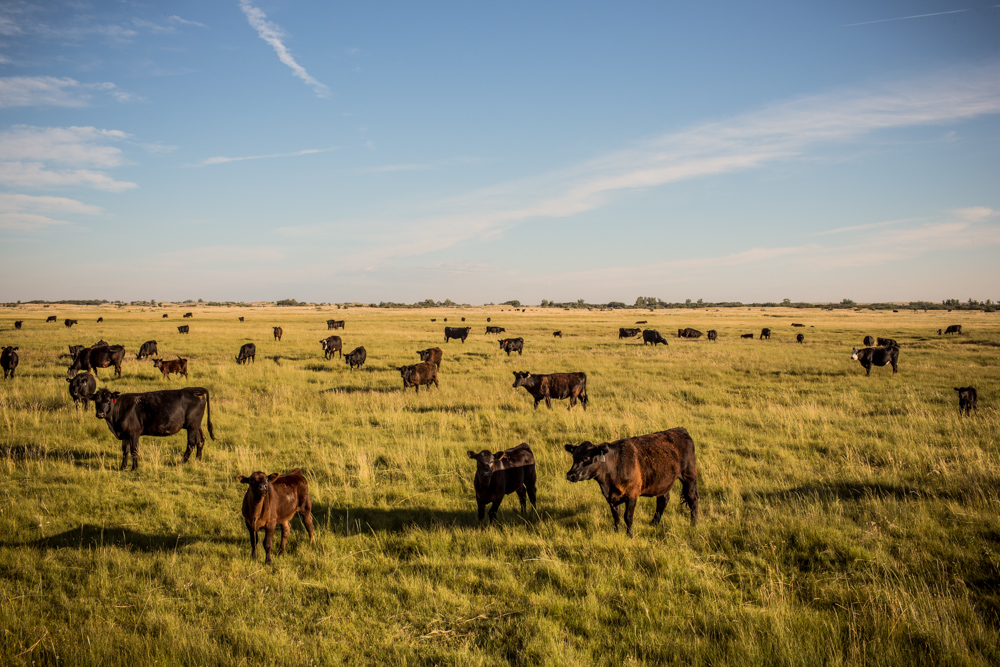
Raising awareness around why native grasslands still exist and the benefits of sustainable grazing management is central to the mission of SSGF. When we look back in history of how these grasslands evolved, it comes down to a combination of climate, fire and of course, grazing by large herbivores. The original large herbivore on grasslands was the bison. Now the primary grazers are cattle and they continue to serve the same ecological function. Most don’t understand that responsible grazing, managed by ranchers, is the main reason why many native grasslands still exist.
The misconception that grasslands don’t need grazing is generally because in most people’s mind, healthy grass is tall grass. However, when we look at healthy native grassland, it’s a mixture of short, tall and medium grasses that all play their own part in contributing to the overall biodiversity. Some may think that native grasslands are desolate and unproductive due to their appearance but the areas of short grass are just as important as areas with tall grass. The mosaic of grass heights is needed for foraging, creation of nesting sites and provides shelter for the multitude of wildlife that depend on them.
Despite their subtle appearance to many, native grasslands are incredibly biodiverse and home to numerous wildlife species such as pronghorn, deer, elk, swift fox, coyotes and incredible amounts of birds, insects and even amphibians like the Northern Leopard Frog. All of these species rely on grasslands being intact and functional. Native grasslands require grazing to shape and mould habitat for all these species that are intertwined in the ecosystem.
Ranchers who manage native grasslands are among the most unrecognized conservationists. Many of these ranchers may not realize that when they are stewarding their rangelands, they are actively keeping our grasslands intact and sustainable for years to come. Promoting the message that the grasslands depend on ranchers and livestock grazing may not be the most compelling story to tell the general public but the reality is that if you support preserving grasslands, you also support responsible grazing of livestock.
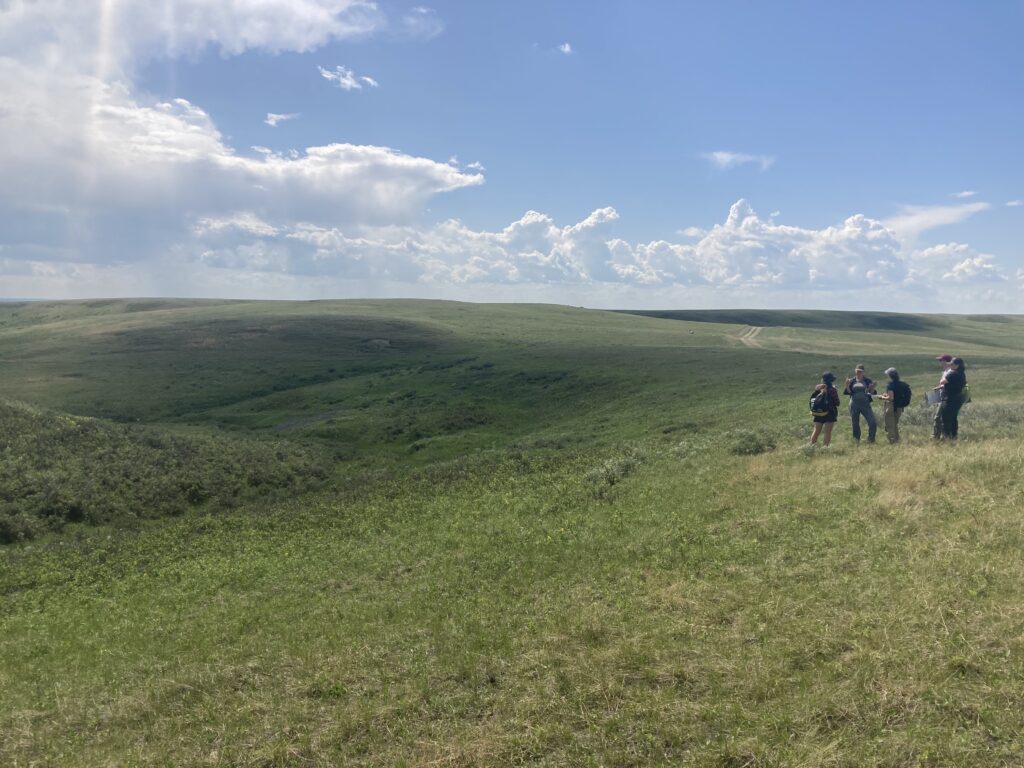 When the discussion around grassland conservation started to gain traction, many were quick to scrutinize ranchers and suggest their own ideas of how they should manage their land without ever having the experience of caring for the land themselves. The ranching lifestyle is a legacy that many families carry on from past generations and with this legacy, comes the knowledge of land management being shared with the next generations.
This generational knowledge offers valuable insight into how the land they are managing responds to changes in grazing pressure and weather factors such as the impact of drought and its ability to recover. The legacy ranching community is also the first to step in and give words of wisdom or a helping hand to the first generation ranchers driven by the desire to expand the industry and see both the individuals and the land thrive.
These ranchers take pride in their stewardship and understand deeply that if their land isn’t healthy and productive, neither are their livestock and it will ultimately impact their bottom line. The commitment to these lands is a combination of traditions, pride and a responsibility to manage their land in a way that is sustainable for the environment and the next generation.
Author: Mindy Hockley-Anderson