
Reading the Range: What Your Pastures Are Telling You This Spring

Reading the Range: What Your Pastures Are Telling You This Spring
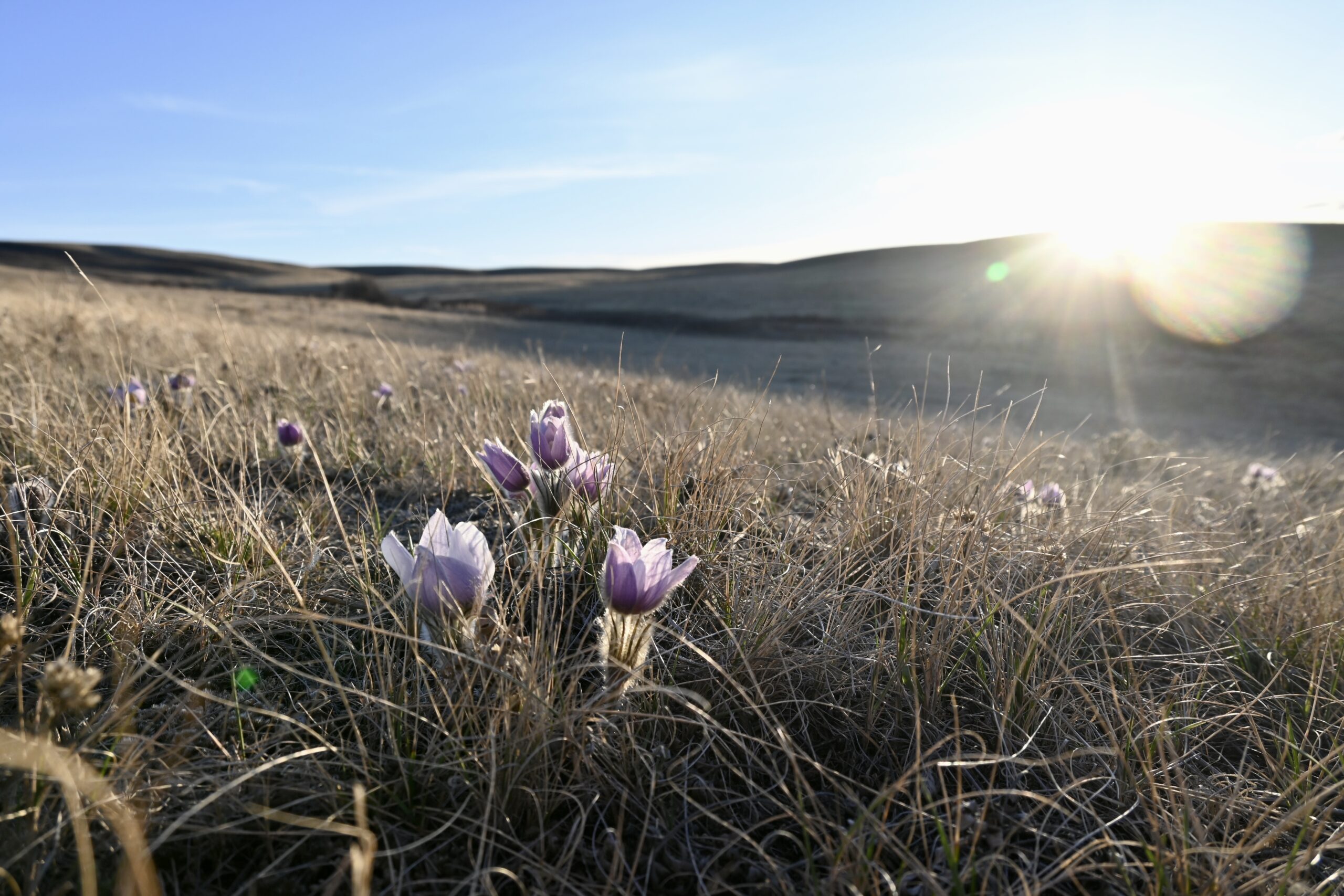
Spring is finally creeping across the prairie with grasses greening up, blooming crocus on the hillsides, and cattle itching to head out to pasture. In all the excitement of the new season, it’s important to slow down and read your pastures to understand what they’re really telling you about grazing readiness.
Healthy native rangelands in April and May don’t always look “lush” or perfectly green, in fact, uniformity in these landscapes can be a warning sign of decreased biodiversity and resiliency. Instead, they will showcase a variety of grasses that green up earlier in the year and others that are still dormant. Cool-season grasses will emerge earlier in the growing season when the weather is a mixture of warm and cool days while warm-season grasses wait until Mother Nature turns the heat on in June and July. Examples of cool-season species are Western Wheatgrass, Northern Wheatgrass and Green Needle Grass and common warm-season species are Blue Grama, Sand Dropseed or Little Bluestem.
When it comes to managing native grasslands, a general rule of thumb is to delay turnout as long as possible to allow the vegetation time to grow and establish without grazing pressure. In the early stages of growing, native grasses rely on carbohydrates stored in their roots and crowns to fuel their initial growth. When the leaves are grazed before they have a chance to photosynthesize, the plant must draw upon limited, stored resources. This weakens the overall health of the plant and can have long term consequences on range health across that whole pasture.
Litter levels are one of the indicators that ranchers can easily assess on their own to get a better picture of pasture health. Litter, which is the dead or decaying plant material from previous growing seasons, works as armor to protect the soil by covering any bare ground, reducing erosion from wind or heavy rain events and provides habitat for birds and insects that contribute to the overall ecosystem. Litter levels are a great gauge of how well the range is able to cycle nutrients and retain moisture. The expected, or healthy, amount of litter will vary from site to site. Factors such as the soil type, ecosite, and ecoregion all impact the potential of the site to produce vegetation and maintaining healthy litter cover with little to no bare soil is the goal. Some ecosites such as sand or badlands are expected to have increased naturally occurring bare soil. If bare soil is found, it’s important to determine if it is management caused or naturally occurring.
Moisture is often the first thing ranchers think about in spring, but it’s not just about how wet the ground is after the snow melts, it’s about the land’s ability to retain and use that moisture. A well-functioning rangeland takes a combination of appropriate ground cover, healthy litter levels, dense and diverse root systems and soil structure that allows for infiltration to hold moisture longer and use it more efficiently. If you are missing one of these elements, you will lose moisture through evaporation and runoff. Managing pastures with conservative stocking rates and allowing plants to grow with minimal grazing pressure helps the land better capture and make use of available moisture.
Reading your range in the spring can set the tone for the rest of the grazing season. If you are finding concerns regarding your rangeland health, there are a few different approaches you can take. The first is to delay turnout to allow for more recovery time and consider using tame grass resources or investing in rejuvenating tame grass stands for future early season use. Adjusting the stocking rates to decrease pressure on rangelands that have been grazed heavier or look like they need more recovery time is one of the best ways to improve future range health.
In order to properly rest a pasture, it needs rest during the active growing season! This allows the roots to replenish nutrient stores and recover from previous grazing events. When determining future pasture use or turnout timing, make sure you’re getting a full picture by assessing the land on foot rather than relying on calendar dates alone. Range conditions can change quickly, and taking the time to evaluate native grasslands early in the season can have lasting impacts on overall pasture health and productivity.
The true challenge landowners face is turning observation into a clearer understanding of what it will mean across an entire operation. This is where information from a structured rangeland health assessment can bring context to what you’re seeing on the ground. It’s not about replacing the on-the-ground knowledge, it’s about adding clarity to it.
Spring offers one of the best chances to understand how your land is functioning from the previous season and gives insight to how the upcoming grazing season may unfold. Before any grazing begins, the landscape is already showing you where it’s strong, where it’s stressed, and where it’s recovering well. Reading those signals early can lead to better decisions all season long. Because on native grasslands, the pasture is always talking, the skill is learning how to listen.
If you are interested in learning more about your rangelands or having an assessment completed check out our program pages or contact us to get in touch!